What Is a Speedboat? Types, Structure, and Common Uses in Vietnam
Speedboat Concept & Hydrodynamic Characteristics
A speedboat is a small craft capable of rapid acceleration and agile maneuvering. It typically uses a planing hull so that, beyond a certain speed, the hull “skims” over the water, reducing drag and improving efficiency. Key factors that shape the running experience include power-to-weight ratio, hull-bottom geometry (deadrise, chines, lifting strakes), center-of-gravity position, and load distribution. When these elements are in sync, a speedboat planes quickly, holds a stable cruising speed, and saves fuel across rivers, lagoons, or calm coastal waters.
Classification by Use Case
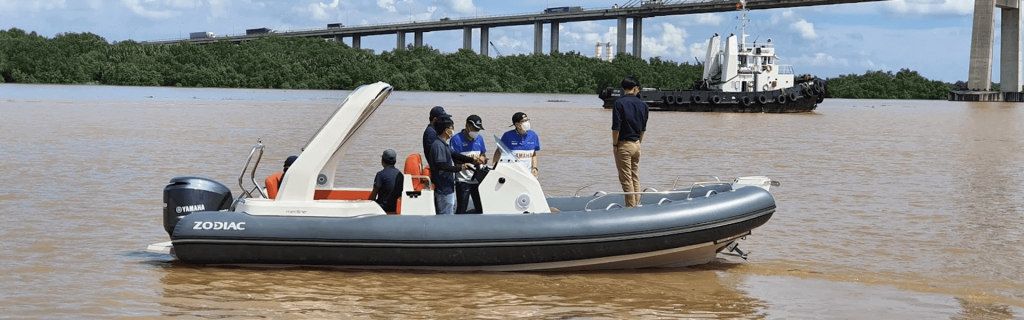
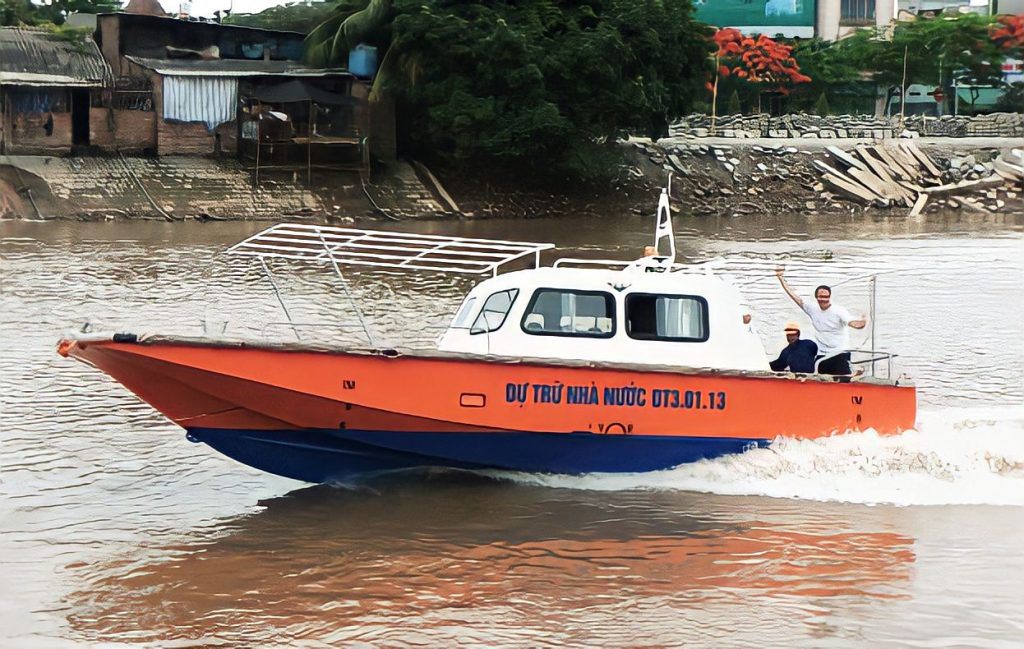
TIn practice, the most useful way to classify speedboats is by intended use. Family and recreation boats prioritize comfort, safety, stowage, and weather protection, usually with moderate power that’s easier for newcomers to handle. Tour and service boats emphasize passenger capacity, safe boarding, and reduced noise and vibration to protect the on-board experience on short routes. Watersports and tow craft demand strong acceleration and pulling power, precise steering, and correctly mounted tow points. Rescue boats focus on shallow-water agility, tight-quarters maneuvering, and dependable starts in all conditions. Patrol and duty boats require speed, seakeeping, and fully equipped comms/navigation, often with single or multiple engines depending on mission.
Speedboat Hull Materials: Aluminum vs. Composite (TCO)
Marine-grade aluminum stands out for light weight, stiffness, and easy repair; it requires proper welding practice and sacrificial anodes to control galvanic corrosion, and it transmits more noise/vibration than composites. Composite (FRP)offers refined finishes, lower noise, and flexible shaping of hydrodynamic lines; repairs demand skill and attention to water ingress and gelcoat aging. The optimal decision weighs operating waters, duty cycle, local maintenance capability, and life-cycle cost—not just purchase price.
Core Architecture and Propulsion
A speedboat’s structure includes hull, deck, sealed compartments, and reinforcements; the bottom profile is a major determinant of comfort and wave-cutting ability. The most common propulsion is the outboard motor, favored for flexible installation, easy maintenance, and good efficiency across a wide speed range—ideal for family use, short tours, and watersports. Inboard shaft drives deliver stability, durability, and fuel economy with heavy loads or long passages, often used on duty craft and scheduled routes. Where shallow-water operation and propeller safety matter, waterjet systems provide high agility with quick stops and reversals, though low-speed efficiency is generally below that of conventional propellers. Steering, electrical, and fuel systems, plus safety gear (PFDs, bilge pumps, anchor/lines, radio, navigation) must be laid out for safe operation, maintenance access, and emergency handling.
Typical Speedboat Applications in Vietnam
On river, bay, and near-coastal tours, passenger service features come first: seating, shade, safe boarding, stowage, and reliable navigation/communication. Rescue operations prioritize dependable starts, shallow-water agility, and tight turning, supported by compliant lifesaving, medical, and comms layouts. Fishing and watersports need non-slip decks, dry storage, stable accessory power, and proper tow points. For short-haul transport and commercial work, careful planning around payload, berths/ramps, fuel logistics, and maintenance scheduling ensures readiness.
Seasonal and Hour-Based Maintenance
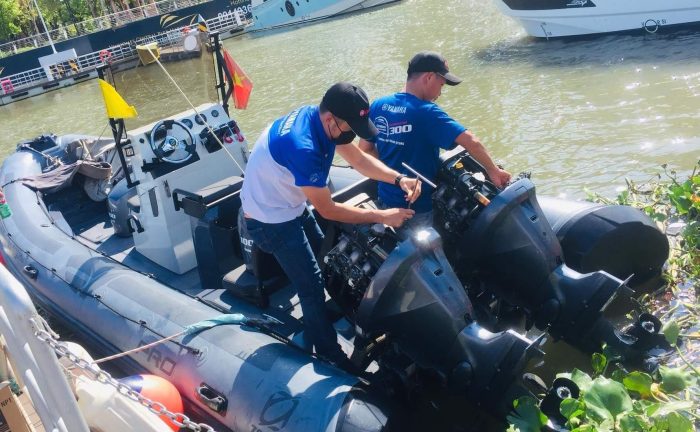
Durability is tied to disciplined maintenance. On an hour basis, change engine oil/filters (yamalube), check gear lube, inspect spark plugs (gasoline engines), fuel filters/lines, water-pump impeller, belts, and anodes. Seasonally—especially after storms or saltwater use—fresh-water flush the systems, inspect for water ingress, clean the engine/bilge, renew corrosion protection, and service paint/gelcoat. Fuel and electrical care matter: use correct grade gasoline or diesel and avoid water contamination; test batteries, charging, and emergency shutoff circuits regularly. Logging speed–RPM–consumption helps detect anomalies early and fix underlying issues before major failures develop.
Conclusion
Achieving an efficient speedboat comes from aligning hull, engine, propeller, and real-world load, backed by a rigorous maintenance routine. Once mission profile, waters, cruising band, and life-cycle budget are defined, the right choice of hull material, propulsion setup, and proper installation will yield fast planing, smooth passages, reasonable consumption, and safe operation for years.